The Best Squat-Proof Leggings (And How to Test Them)
Quick Answer: Squat-proof leggings come down to fabric density and recovery, not brand. Test any pair by stretching the fabric over your hand — if you can see skin, they’ll go sheer in a squat. Then do a full squat in the fitting room mirror. Thicker high-density knits, a firm high waistband and flatlock seams are what hold up under load.
There’s a specific kind of horror unique to the gym. You drop into a deep squat, catch your reflection at the bottom, and discover your leggings have quietly become a suggestion.
Everyone’s had the moment. Nobody talks about it, and everyone has silently retired a pair because of it.
The fix is finding genuinely squat-proof leggings — and knowing how to test them before you’re mid-set in front of a mirror with fourteen people behind you.
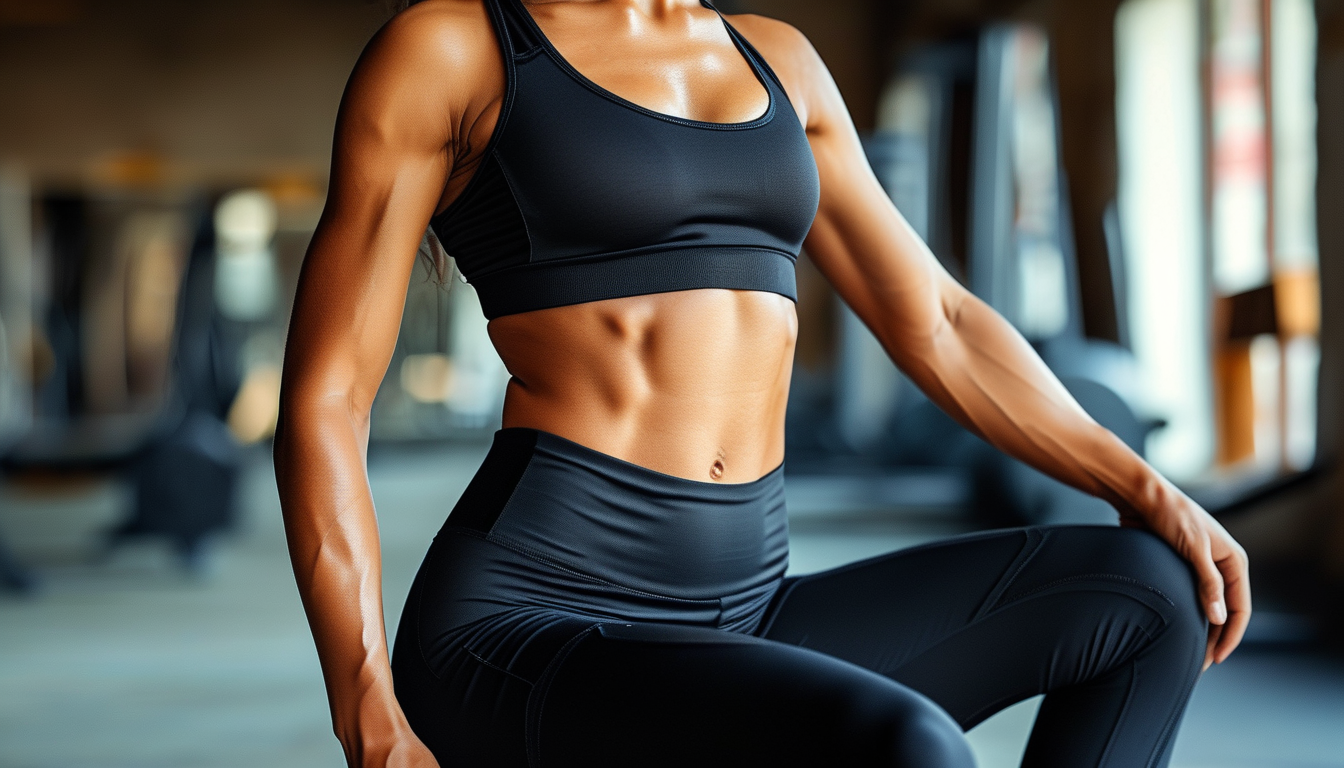
Why Do Leggings Go See-Through When You Squat?
It’s geometry, not conspiracy.
When you bend or squat, the fabric across your glutes and thighs stretches in two directions at once. Every knit has a fixed amount of yarn in it, so as it stretches, that yarn spreads apart and the gaps between the fibers open up. Light goes through the gaps.
Fabric density is the whole story. A high-density knit has more material to spread, so it stays opaque even at full stretch. A thin, low-density knit runs out of coverage the moment you load it.
Two other factors compound it:
- Recovery. Good fabric snaps back to its original shape after each stretch. Bad fabric stays slightly stretched, gets progressively thinner in the high-stress zones, and goes sheer permanently after a few months.
- Color. Light greys, pale blues and heathered tones expose thinning far faster than black or deep navy, because there’s less contrast to hide behind.
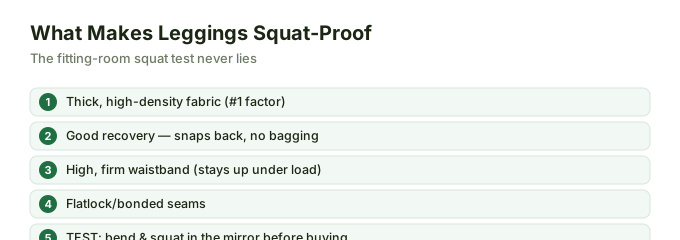
What Makes Leggings Actually Squat-Proof?
Four things, roughly in order of importance:
- Thick, high-density fabric. The number one factor by a wide margin. Thin equals sheer, eventually, in every brand at every price.
- Good recovery. The fabric returns to shape instead of bagging at the knees or thinning permanently across the seat. This is what separates a pair that lasts two years from one that lasts two months.
- A quality waistband. High and firm so it stays put under load. A waistband that rolls down mid-deadlift will also pull the fabric taut across the glutes, which is exactly when you least want it thin.
- Flatlock or bonded seams. Fewer stress points where the fabric can thin out or split. Also less chafing on long sessions.
Worth knowing: price doesn’t reliably predict this. Some expensive “buttery soft” leggings are deliberately thin because thin feels luxurious in a shop. Some mid-priced squat-proof high waist yoga pants are built specifically for loading and hold up better. The fabric test tells you more than the tag does.
How Do You Test Leggings Before Buying?
Do this in the fitting room. It takes ninety seconds and saves you a lot of gym-mirror horror.
1. The hand test. Stretch the fabric across the back of your hand and hold it up to the light. Can you see your skin? Fail. Stop here, you’re done.
2. The bend-over check. Turn your back to the mirror, bend at the hips, and look over your shoulder. This is non-negotiable and it is the single most informative thing you can do in a fitting room.
3. The full squat. Drop into a deep squat, all the way down, and check the mirror again. This is the real test — the seat and the back of the thighs are where fabric fails first.
4. The waistband tug. Grab the waistband and pull down slightly, then let go. Does it stay where you put it, or does it start migrating? Under a heavy set it will do whatever it did here, only more.
5. The seam look. Check the crotch gusset and back seam. A diamond gusset and flatlock seams are good signs; a single flat seam through the crotch is a future failure point.
5 Mistakes Everyone Makes Buying Gym Leggings
1. Buying “buttery soft” for lifting. Those ultra-lightweight fabrics feel wonderful and are often the first to go sheer under stress. They’re excellent for yoga, lounging and travel. They are not squat clothes.
2. Trusting the fitting room’s flattering lighting. Fitting room light is deliberately soft. Use your phone torch behind the fabric if you want the truth.
3. Buying light colors on unfamiliar fabric. Grey is the classic betrayal. If you’re trying a new brand, buy black first and find out whether their fabric is any good before you commit to sage.
4. Keeping old pairs past their expiry. Leggings thin out with washing and wear. A pair that was squat-proof two years ago may not be now, and you won’t notice from the front. Re-run the mirror test on your old pairs occasionally — most people are wearing at least one pair that failed months ago.
5. Ignoring the waistband because the fabric passed. The most common real-world complaint isn’t sheerness at all, it’s a waistband sliding down during deadlifts. A high, firm waistband is half the purchase.
What Should You Avoid?
- ❌ Very thin, lightweight “buttery” fabrics for anything involving load
- ❌ Light and heathered colors on unfamiliar or cheap fabric
- ❌ Anything you can see your hand through when stretched
- ❌ Worn-out pairs that have thinned across the seat
- ❌ Low or mid-rise waistbands for heavy lower-body days
- ❌ Single-seam crotches with no gusset
FAQ
Are more expensive leggings always more squat-proof?
No. Price correlates with fabric quality only loosely, and some premium brands deliberately use thin, soft fabrics because they feel luxurious. The stretch-over-your-hand test is a far better predictor than the price tag, and it takes five seconds.
Do black leggings hide sheerness better?
Yes, meaningfully. Dark colors give light less to work with, so a black pair can look opaque at a fabric density where the same style in grey clearly wouldn’t. It’s a real advantage, but it’s covering a weakness rather than fixing one — if the fabric is thin, it’ll still bag out and thin further over time.
How long should a good pair of gym leggings last?
With regular use and proper washing — cold water, no fabric softener, air dry — a well-made pair typically holds up for one to two years before the fabric loses recovery. Heavy squatters and daily wearers should expect the shorter end of that.
TL;DR
- Fabric density decides everything. Thin goes sheer under stretch, regardless of brand or price.
- Test before buying: stretch over your hand, bend over in the mirror, then squat fully.
- A high, firm waistband matters as much as the fabric for lifting.
- Look for flatlock seams and a diamond gusset; avoid single-seam crotches.
- Skip “buttery soft” for heavy days — save those for yoga and travel.
- Retest your old pairs. Leggings thin out with washing, and you won’t notice from the front.
See It in Motion
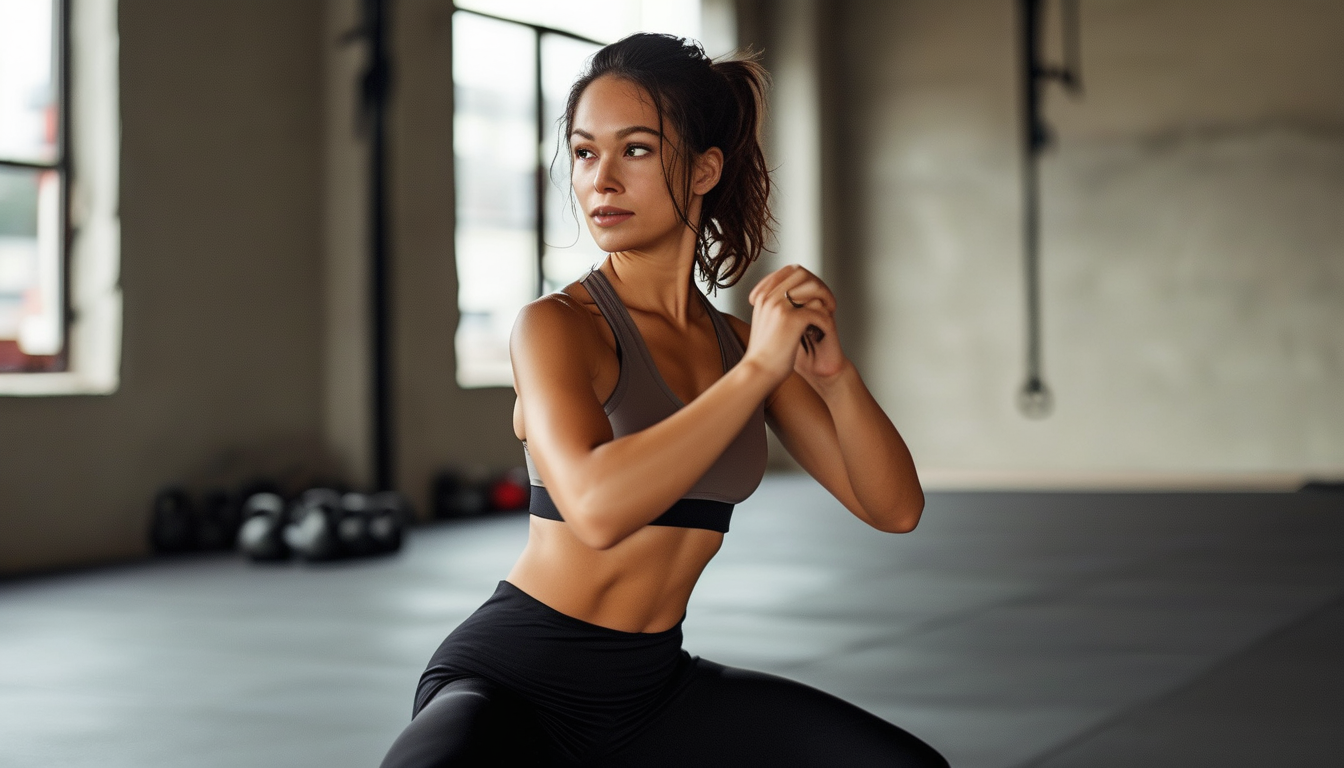
Seen here: Super High Waist Embossed Yoga Leggings with Inner Pocket — shop it on bubblelime.com
Keep Reading
This article is for general informational and styling purposes only. Fit, sizing, and product availability may vary.