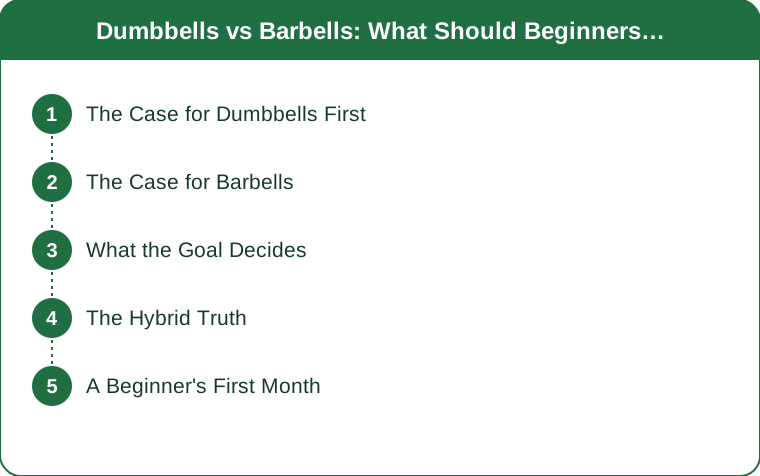
Dumbbells vs Barbells: What Should Beginners Start With?
Quick Answer: Start with dumbbells if you’re unsure — they’re less intimidating, they correct left-right imbalances, they allow natural joint paths, and you can fail safely by just putting them down. Move to barbells when you want heavier loads and small, precise weight jumps. Most good programs eventually use both: barbell for the big lifts, dumbbells for accessories.
Walk into any weight room and you face the same fork: the dumbbell rack, or the barbell platforms.
Both build serious strength. They’re different tools with different learning curves, and the internet argues about it far more than the difference warrants.
Here’s the honest breakdown.
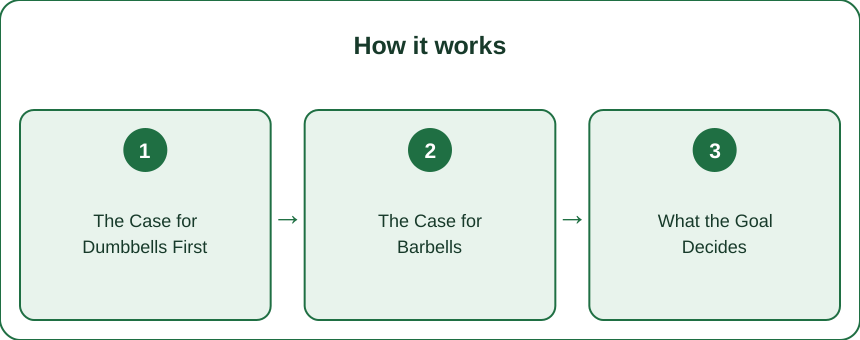
Why Do Most Beginners Start With Dumbbells?
Four practical reasons.
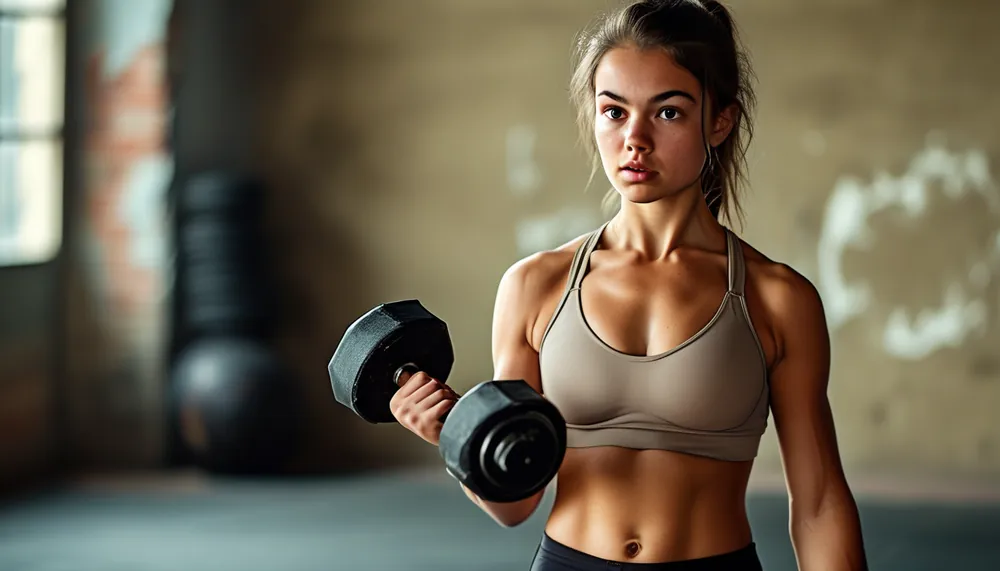
They’re less intimidating. You can pick up a pair and start in a corner without a rack, a queue, or an audience.
Each side works alone. That exposes and then corrects left-right imbalances, which almost everyone has and a barbell hides — the strong side quietly takes more of the load.
They allow natural joint paths. Your wrists and shoulders can rotate through the range they prefer instead of being locked to a fixed bar position. For anyone with cranky shoulders, that’s a genuine advantage on pressing.
They fail safely. When a set goes wrong you put them down. No pins, no spotter, no bar across your chest.
For most beginners this is the friendlier on-ramp, and confidence compounds. Six weeks of dumbbell work you actually did beats four weeks of barbell work you avoided.
What Are Barbells Better At?
Progressive loading in small jumps. This is the biggest one. You can add 1.25kg (2.5lb) per side on a barbell. Dumbbells typically jump in 2.5–5kg steps, which is a 10–20% increase on a lighter lift — often too big to make cleanly.
Heavier absolute loads. Once your legs are strong, you cannot hold enough dumbbells to challenge them. A barbell removes that ceiling entirely.
The big lifts. Squat, deadlift, bench press, overhead press, row. These are the movements with the most training history behind them and the clearest progression models.
Efficiency. Fewer exercises, more total load, less time.
The learning curve is steeper, but the ceiling is much higher. It’s worth a coaching session or two, or genuinely careful video study, before loading up.
Which Should You Pick for Your Goal?
General fitness, muscle tone, home training, limited space? Dumbbells cover it indefinitely. A single adjustable pair handles years of training in a spare bedroom.
Chasing strength milestones — a heavy squat, a bodyweight bench, a deadlift number? The barbell eventually calls, and there’s no substitute for it.
Rehab or asymmetry? Dumbbells, at least initially. The unilateral work is the point.
Time-limited? Barbell. Three lifts and you’re done.
Both paths lead to strong. The tool doesn’t decide that.
What Do Good Programs Actually Do?
They use both.
Barbell for the big compound lifts, dumbbells for accessories and balance work. Squat and press with a bar, then split squats, lateral raises, and rows with dumbbells.
It’s not a marriage, it’s a toolbox. Start where you’re confident and add the other when you want what it offers.
A Beginner’s First Month
Weeks 1–4, dumbbells only. Learn the movement patterns while the load is low and the failure risk is nil.
- Goblet squat — 3 × 8
- Dumbbell overhead press — 3 × 8
- Dumbbell row — 3 × 10 per side
- Reverse lunge — 3 × 8 per side
- Romanian deadlift — 3 × 8
Three sessions a week, 45 minutes each. Add weight when the last two reps stop being hard.
Then, if the barbell tempts you, start with the empty bar — 20kg (45lb) — and your pride intact. Every platform regular started exactly there, and most of them still warm up with it.
5 Mistakes Everyone Makes
- Treating the choice as permanent. It isn’t. You’ll likely use both within a year.
- Skipping the empty bar out of embarrassment. The empty bar is a real 20kg and nobody is watching.
- Sticking with dumbbells past their useful ceiling on legs. If you can’t hold enough weight to make a squat hard, that’s a signal, not a plateau.
- Jumping dumbbell weights too fast. Going 10kg to 15kg is a 50% increase. Use the in-between sizes or add reps first.
- Believing one tool is “more serious.” Effort and consistency decide results. The equipment is a delivery method.
FAQ
Can I build real muscle with dumbbells only?
Yes. Muscle responds to mechanical tension and progressive overload, not to equipment category. The practical limit shows up on heavy leg training, where holding enough dumbbell weight becomes the bottleneck.
How do I progress when dumbbell jumps are too big?
Add reps first — work from 3 × 8 up to 3 × 12 at the current weight, then take the jump and drop back to 8. That’s called double progression and it solves most of the problem.
Is the barbell dangerous for beginners?
Not with safety pins set correctly and sensible loading. The risk comes from ego weight and skipped setup, not from the bar itself. Learning the deadlift with an experienced eye on you is worthwhile.
Should I buy dumbbells or a barbell for home?
For most home setups, adjustable dumbbells — they’re cheaper, need no rack, take a fraction of the space, and cover more exercises. A barbell setup needs a rack and platform to be safe, which is a real space and money commitment.
TL;DR:
- Dumbbells: friendlier entry, fix imbalances, natural joint paths, fail safely
- Barbells: small weight jumps, heavier loads, the big five lifts, more efficient
- Unsure? Start with dumbbells for four weeks and learn the patterns
- Then take the empty bar — 20kg is a real starting weight
- Use double progression (add reps, then weight) when dumbbell jumps are too large
- Good programs use both: bar for compounds, dumbbells for accessories
- Home training on a budget: adjustable dumbbells win on cost and space
There’s no wrong door into strength. Start where you’re confident, borrow the other tool when curiosity wins, and remember the tool matters far less than showing up to use it.
Keep Reading
This article is for general informational and styling purposes only. Fit, sizing, and product availability may vary.