The Rep Range Question: Training for Strength vs Training for Size
The old rule that low reps build strength and high reps build size is more myth than fact, but that doesn’t mean rep range is irrelevant either. The real relationship is more nuanced, and understanding it helps actually structure training around a specific goal.

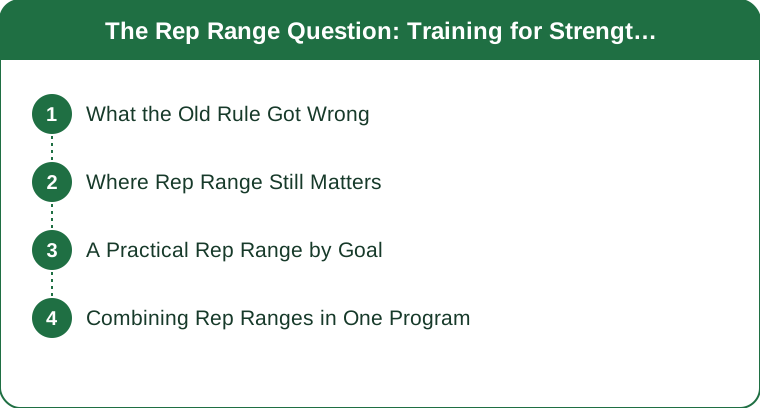
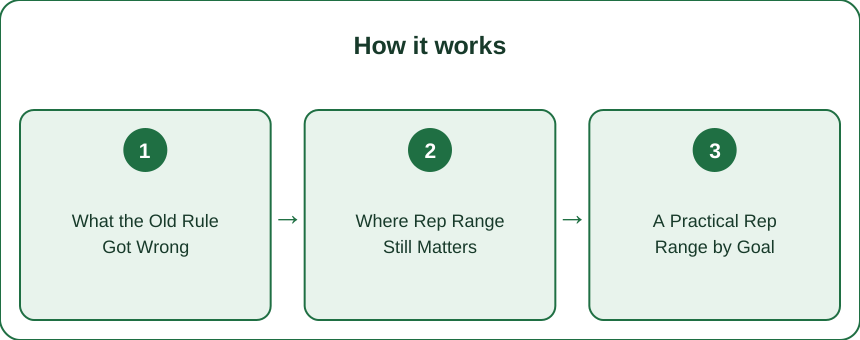
What the Old Rule Got Wrong
The outdated claim: the the-strict-rep-range-myth (the traditional belief that only low reps, roughly one to five, build strength while only higher reps, roughly eight to twelve, build size being an oversimplification not well supported by more recent research), the the-effort-matters-more-finding (research increasingly showing that training close to muscular failure matters more for hypertrophy than the specific rep range used, as long as reps stay in a moderate-to-high range), the the-strength-specificity-nuance (strength gains being somewhat more specific to the rep range and load actually trained, meaning very low-rep heavy training still has a real advantage for maximal strength specifically, even if size gains are similar across a range)).
Where Rep Range Still Matters
The real distinctions: the the-neural-adaptation-for-max-strength (very heavy, low-rep training producing neural adaptations, like improved motor unit recruitment, that are more specific to expressing maximum strength on a specific lift), the the-joint-stress-consideration (very low-rep, near-maximal training placing more absolute stress on joints and connective tissue per session compared to moderate-rep training), the the-time-efficiency-difference (higher-rep sets taking meaningfully longer per set, which matters for total session time and recovery demands within a single workout).

A Practical Rep Range by Goal
The application: the the-max-strength-focus-range (someone training specifically for maximal strength on a small number of key lifts benefiting from including some very low-rep, heavy work in the one-to-five range regularly), the the-hypertrophy-focus-range (someone training primarily for muscle size doing well with a broader six-to-fifteen rep range, prioritizing proximity to failure over hitting an exact number), the the-general-fitness-flexibility (someone training for general fitness and strength maintenance having considerable flexibility across rep ranges, since consistency matters more than optimization at that level)).
Combining Rep Ranges in One Program
The programming approach: the the-varied-rep-range-program (many well-designed strength programs deliberately including a mix of rep ranges across a week rather than sticking to one range exclusively, capturing benefits of each), the the-periodization-consideration (cycling through phases emphasizing different rep ranges over months being a common and effective way to pursue both size and strength goals across a longer training arc), and the frame (rep range shapes strength and size outcomes less rigidly than the old rules suggested — training close to failure across a moderate-to-high rep range builds size effectively, while some low-rep heavy work still adds a distinct benefit for maximal strength.)
The rigid rule assigning low reps to strength and high reps to size doesn’t hold up as well under closer research scrutiny as it once seemed to, with training proximity to muscular failure now looking like a bigger driver of muscle growth than the exact rep count, as long as that count stays somewhere in a moderate-to-high range. Strength itself is a bit more rep-range specific than size, since very heavy, low-rep training produces neural adaptations tied closely to expressing maximum force on a particular lift, which is why competitive strength athletes still spend real time in the one-to-five rep range even though hypertrophy research suggests wider ranges work fine for building muscle. The practical takeaway is less about finding one perfect number and more about matching rep range to the specific goal: heavier low-rep work for maximal strength on key lifts, a six-to-fifteen range trained close to failure for size, and considerable flexibility for anyone training mainly for general fitness where consistency outweighs precise optimization.
Keep Reading
This article is for general informational and styling purposes only. Fit, sizing, and product availability may vary.