Strength Training for Women: A No-Fear Beginner's Guide
Quick Answer: Start strength training with four movement patterns — squat, hinge, push, pull — lifting 2–3 times a week with light weight and clean form before adding load. Lifting won’t make you bulky: building substantial size requires years of deliberate training and eating, plus far more testosterone than most women produce. Expect noticeable strength gains within 6–8 weeks.
For years women were quietly steered toward the cardio machines while the weights section functioned as a members-only club with no posted rules.
That era is over, and good riddance. Lifting is one of the highest-return things you can do for your body, your bones, and your mood. Here’s how to start without the nerves.
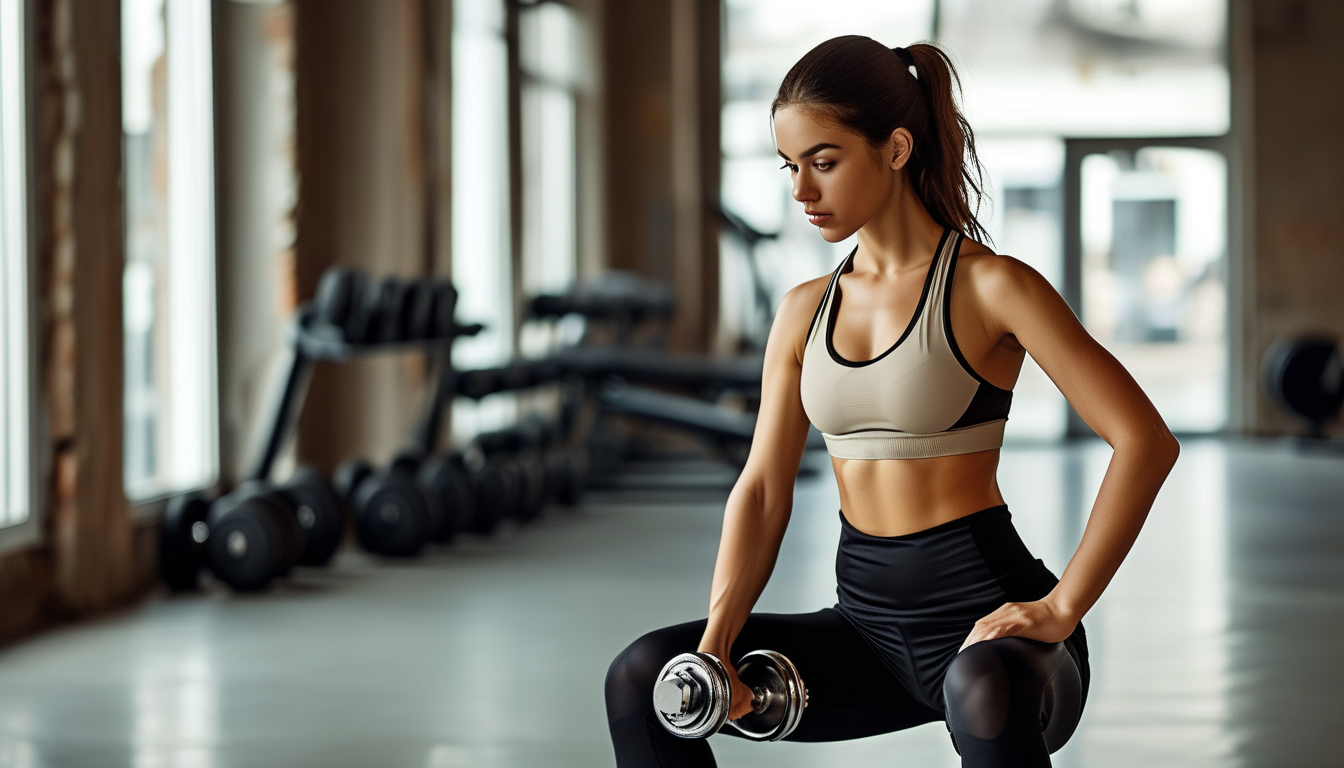
Will Lifting Weights Make Women Bulky?
No, and the reason is biological rather than motivational.
Building substantial muscle mass requires a sustained calorie surplus, years of progressive heavy training, and hormonal support. Women typically produce roughly 10–20 times less testosterone than men, which is a primary driver of muscle hypertrophy. The physiques people picture when they say “bulky” are the product of a decade of deliberate work — often with pharmacological help — not an accident that happens to someone doing three sets of goblet squats on Tuesdays.
What lifting actually produces is strength, definition, and better body composition. The “toned” look everyone describes is muscle that exists underneath a given amount of body fat. There is no other way to get it. You cannot tone what you haven’t built.
Why Should Women Lift Weights?
The benefits list is unusually strong, and one item on it is more important than the aesthetics:
- Bone density. This is the big one. Women lose bone mass accelerating around menopause, and resistance training is one of the few interventions that meaningfully loads bone and supports density. Starting in your 20s or 30s builds a reserve; starting at 50 still helps.
- Metabolic support. Muscle is metabolically active tissue, and more of it means a slightly higher resting energy expenditure plus better glucose handling.
- Functional strength that shows up in ordinary life — carrying groceries, lifting a kid, moving furniture without recruiting help.
- Mood and confidence. Resistance training has solid evidence for reducing anxiety and depressive symptoms, and the psychological effect of watching a number go up week over week is not trivial.
- Injury resilience. Stronger muscles and connective tissue around joints tolerate more.
How Do You Start Strength Training?
Don’t overcomplicate week one. Four movement patterns cover the whole body.
1. Learn the four patterns
- Squat — goblet squat with a dumbbell held at your chest is the friendliest entry point
- Hinge — Romanian deadlift; this is the hardest to learn and the most valuable to get right
- Push — push-ups (elevated on a bench if needed) or a dumbbell press
- Pull — dumbbell row, or an assisted pull-up / lat pulldown
Two sessions a week hitting all four patterns is a complete beginner program. That’s genuinely it.
2. Start light, nail the form
Begin with a load you could do 15 times, and do 8–10. Spend the first 2–3 weeks learning the movement rather than testing it. Ego lifting in month one is the fastest route to a month three spent recovering.
3. Progress deliberately
Once form is solid, add load. A practical rule: when you can complete all sets at the top of your rep range with 2 reps still in reserve, add 5 lb (upper body) or 10 lb (lower body) next session. 3 sets of 8–10 reps, 2–3 minutes rest between sets covers most beginner needs.
4. Lift 2–3 times a week
That’s plenty, and more isn’t better early on. Muscle adapts during recovery, not during the session, so 48 hours between sessions that hit the same muscles is the target.
5. Track everything
Write down the exercise, weight, sets, and reps every session. Without a log you can’t apply progressive overload, and progressive overload is the entire mechanism.
What Do You Actually Need?
Not much. Access to dumbbells or a barbell, shoes with a flat sole (running shoes are compressible and unstable under load), and squat-proof leggings you’re not thinking about — you’ll be bending, hinging, and sitting on benches, so opacity genuinely matters. A high waist squat-proof legging with a wide waistband solves both the coverage question and the constant-adjustment one.
That’s the list. The gym intimidation is real, but the equipment barrier isn’t.
What Nobody Tells You About the First Month
The first 4–6 weeks of gains are mostly neural, not muscular. Your nervous system gets dramatically better at recruiting the muscle you already have. This is why beginners often add significant weight to lifts in the first two months without visible physical change — and why quitting at week six, right before the tissue changes start showing, is such a common and unfortunate exit point.
Also: everyone in the weights room is thinking about their own set. The self-consciousness fades in about three sessions, faster if you go at the same time each week and start recognizing faces.
FAQ
How much protein do women need when strength training?
Common guidance for people doing resistance training is roughly 0.6–0.8 grams per pound of bodyweight per day, spread across meals. For a 150 lb woman that’s about 90–120 g daily — meaningfully more than most people eat by default, and the single dietary variable most worth getting right.
How long until I see results from lifting?
Strength gains show up in the log within 2–4 weeks and are usually obvious by week 6–8. Visible physical changes typically take 8–12 weeks of consistent training, and depend on body composition as much as muscle gain — which is why tracking your lifts is far more motivating early on than tracking the mirror.
Should I do cardio and weights?
Yes, they cover different bases — cardio for cardiovascular health, lifting for muscle and bone. If you’re doing both in one session, lift first while you’re fresh, or separate them by a few hours. Two to three lifting sessions plus 150 minutes of moderate cardio a week is a well-rounded target.
General fitness information, not medical advice. If you’re pregnant, postpartum, managing a health condition, or returning from injury, check with your doctor or a physical therapist before starting.
TL;DR:
- Four patterns cover everything: squat, hinge, push, pull — 2–3 sessions a week is a complete program
- Lifting won’t make you bulky; women produce 10–20× less testosterone and size takes years of deliberate work
- Bone density is the most underrated benefit, especially before and through menopause
- 3 sets of 8–10, start light, add 5–10 lb when you finish all sets with 2 reps in reserve
- The first 4–6 weeks of gains are neural — quitting at week six means quitting right before the visible part
See It in Motion
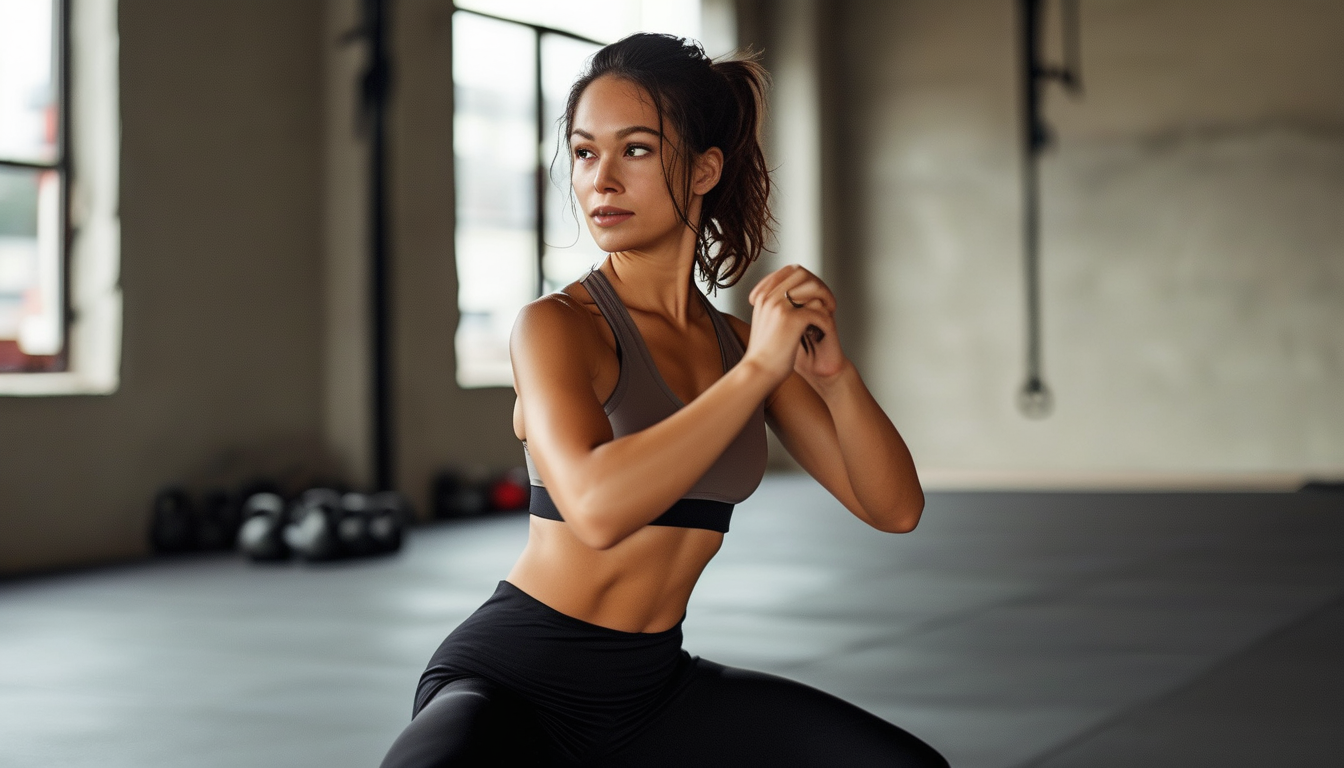
Seen here: High Waist Embossed Yoga Leggings with Side Pockets — shop it on bubblelime.com
Keep Reading
This article is for general informational and styling purposes only. Fit, sizing, and product availability may vary.